
How Much Does Roof Replacement Cost in Perth? (2026 Guide)
What Influences Roof Replacement Pricing in Perth?
Roof replacement in Perth varies widely depending on the condition of the structure, the materials used, and how much hidden damage exists beneath the surface.
What many homeowners don’t realise is that the final scope of work depends on far more than just roof size.
A straightforward single-storey home with no structural issues will be more straightforward.
Homes with water damage, complex designs, or access limitations often require more extensive work.
Typical project variations:
- Metal (Colorbond) roof replacement: Varies based on design complexity and structural condition
- Tile roof replacement: Influenced by underlying support and existing roof condition
- Larger or more complex homes: Require additional labour, time, and structural considerations
The key thing most homeowners miss is this:
The visible roof is only part of the job. The structure underneath is what determines the real scope of work.
For a tailored estimate based on your home, visit our roof replacement Perth service page.
Why Roof Replacement Costs Increase So Quickly
Roof replacements rarely start with obvious external damage.
They usually begin with subtle internal signs that are easy to ignore.
- A faint ceiling stain might not seem urgent.
- A small crack can look purely cosmetic.
- A slight sag often goes unnoticed.
But these are early indicators of moisture intrusion or structural stress.
Over time, water spreads through insulation, weakens plasterboard, and begins affecting timber supports. By the time the issue becomes clearly visible, the damage is already advanced.
This is why many homeowners are caught off guard by high quotes. They’re not just replacing roofing materials—they’re dealing with months or years of accumulated damage.
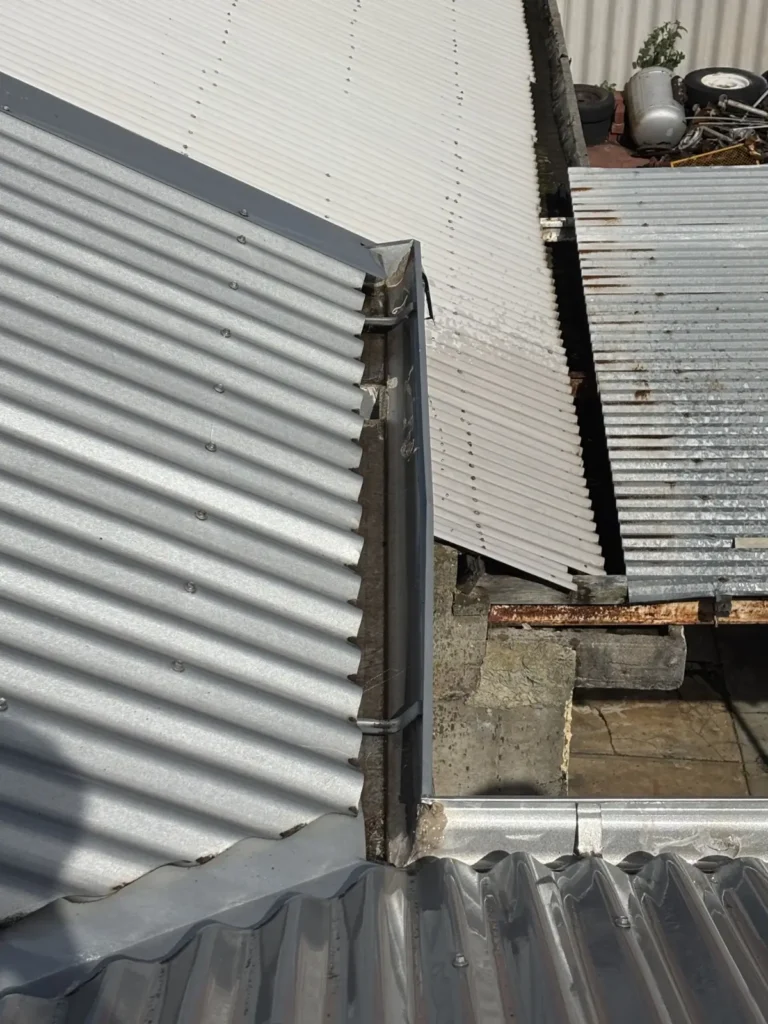
Early Warning Signs That Often Lead to Roof Replacement
Many expensive roof replacements could have been avoided if these warning signs were addressed earlier.
Common indicators include:
- Water stains or ceiling discolouration, which often point to active or past leaks
- Hairline cracks in plaster caused by movement or moisture damage
- Sagging or uneven ceiling sections, suggesting weakened internal supports
- Peeling paint or bubbling surfaces from trapped moisture
- Persistent damp or musty smells, often linked to hidden mould
These are not cosmetic issues. They are early-stage signs of problems that can eventually lead to full roof replacement.
If you’re noticing these, it’s worth reviewing our ceiling repairs Perth guide to understand how early intervention can reduce long-term costs.
What Actually Affects Roof Replacement Cost in Perth
Roof replacement pricing is driven by a combination of structural, material, and environmental factors.
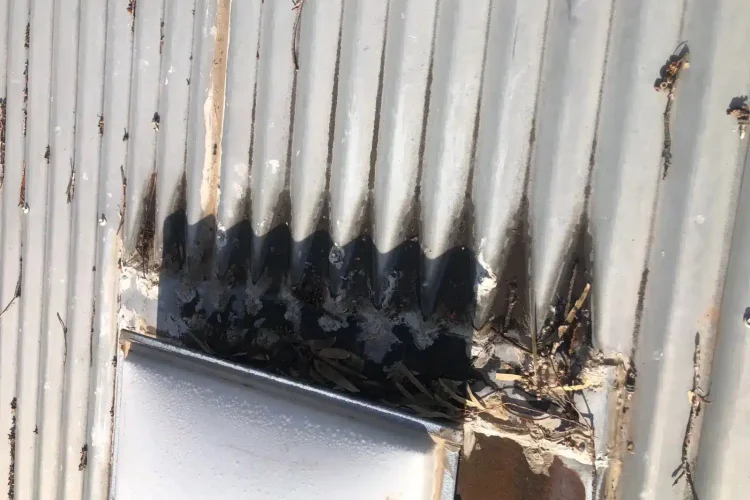
Extent of Water Damage
Water damage is one of the biggest contributors to rising costs.
Even a minor leak can spread through insulation, timber battens, and ceiling linings. Over time, this leads to rot, mould, and weakened structural integrity.
By the time replacement is required, the job often involves more than just roofing—it includes repairing underlying damage.
Roof Type and Materials
Material choice directly impacts both cost and longevity.
Metal roofing, such as Colorbond, has a higher upfront cost but offers durability and lower maintenance over time. Tile roofing is more affordable initially but tends to require more ongoing repairs due to cracking and movement.
Many Perth homeowners choose to upgrade from tile to metal to reduce future maintenance risks.
Roof Size and Complexity
Larger roofs require more materials and labour, but complexity plays an even bigger role.
Steep pitches, multiple roof sections, and detailed junctions increase installation time and require greater precision. This adds to overall labour costs.
Accessibility
Access to the property can significantly affect pricing.
Homes with limited access, tight boundaries, or multiple storeys require additional setup, safety measures, and labour time. This is common in established Perth suburbs where space is restricted.
Hidden Structural Issues
Some of the biggest cost increases come from problems that aren’t visible until work begins.
Once the existing roof is removed, issues such as damaged battens, rusted fixings, mould growth, or compromised supports may be uncovered. These must be addressed to ensure the new roof is safe and compliant.
For more on structural and moisture standards, refer to the Housing Industry Association.
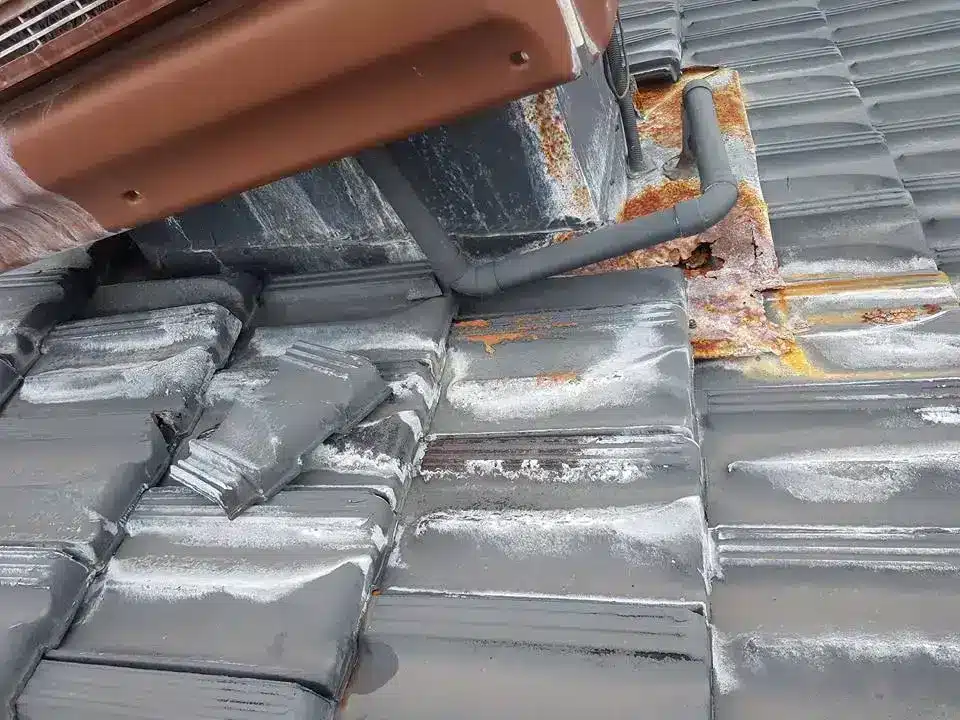
The Cost of Waiting Too Long
Delaying repairs doesn’t reduce costs—it increases them.
A minor issue that could have been fixed early can escalate into:
- Full roof replacement instead of a simple repair
- Interior ceiling damage and restoration work
- Structural reinforcement
- Mould treatment and removal
In many cases, what starts as a minor leak can quickly escalate into a much larger repair project if left unaddressed in a short period of time.
The longer moisture is left untreated, the more extensive the damage becomes.
Repair or Replace — Making the Right Call
Not every roof needs full replacement, but there are clear signs when it becomes necessary.
Repairs may be sufficient when damage is isolated and the roof is still relatively new.
Replacement is usually the better option when leaks are recurring, damage appears in multiple areas, or the roof is nearing the end of its lifespan. Structural movement, sagging, or widespread deterioration are also strong indicators.
At that point, ongoing repairs often become a short-term fix rather than a long-term solution.
How to Keep Roof Replacement Costs Under Control
The most effective way to reduce costs is early action.
Addressing small issues before they spread can significantly limit the extent of repairs required.
Key steps include fixing leaks promptly, maintaining gutters and drainage systems, replacing worn flashing, and scheduling inspections before heavy weather seasons.
Preventative maintenance won’t eliminate costs entirely, but it can prevent them from escalating.
Our Roof Replacement Process
A proper roof replacement involves more than installing new materials. It requires identifying and resolving the root cause of the problem.
Here’s what our process typically involves:
1. Comprehensive Inspection
We inspect your roof and ceiling space to identify leaks, structural issues, and any hidden damage.
2. Clear Scope & Fixed Quote
You receive a clear, fixed quote based on the actual condition of your roof, no guesswork.
3. Professional Roof Replacement
We remove the old roof and install a new system using materials suited to Perth’s conditions.
4. Final Quality & Safety Check
We complete a full quality check to ensure everything is secure, sealed, and built for long-term performance.
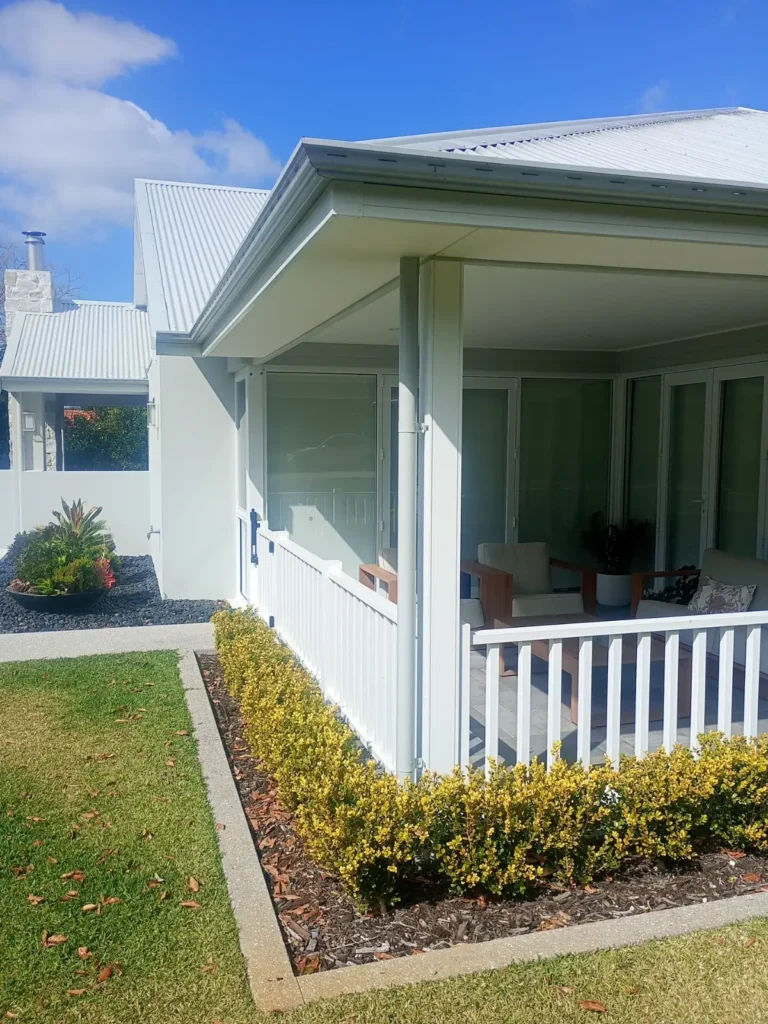
Get an Accurate Roof Replacement Cost in Perth
If you’ve noticed signs of ceiling damage, leaks, or structural issues, it’s best to act before the problem worsens.
Booking an inspection early can help you understand the true condition of your roof and avoid unnecessary cost increases.
Call now or book a free quote today to get started with your roof replacement in Perth.
FAQs – Roof Replacement Cost Perth
How much does a roof replacement cost in Perth?
Most roof replacements in Perth vary based on factors such as the size of the home, materials used, and the extent of any structural damage.
What factors affect roof replacement cost the most?
The biggest cost factors include water damage, roof size, material choice, accessibility, and hidden structural issues discovered during the replacement process.
Is it cheaper to repair or replace a roof?
Repairs are cheaper in the short term, but if issues are widespread or recurring, a full roof replacement is often more cost-effective long term.
How long does a roof replacement take in Perth?
Most standard roof replacements take 2 to 5 days, while larger or more complex homes may take up to a week.
Can ceiling damage mean I need a roof replacement?
Yes. Ceiling damage is often caused by roof leaks or structural issues. If the damage is extensive, a full roof replacement may be required.
What is the best roofing material for Perth homes?
Metal roofing (such as Colorbond) is a popular choice due to its durability, weather resistance, and low maintenance compared to tile roofs.
How can I reduce my roof replacement cost?
You can reduce costs by fixing issues early, maintaining gutters and drainage, and scheduling regular inspections to prevent hidden damage from worsening.
We'd love to hear from you
Contact Information
You can reach out to us and request a quote by using the contact form on this page.
Alternatively, you can contact us to discuss your roofing requirements using the methods below.